
Solutions / Network Infrastructure
Network infrastructure that building security depends on.
Cameras, readers, intercoms, and controllers are only as dependable as the cabling, switching, and power behind them. We build that foundation to support building systems.
Request a Consultation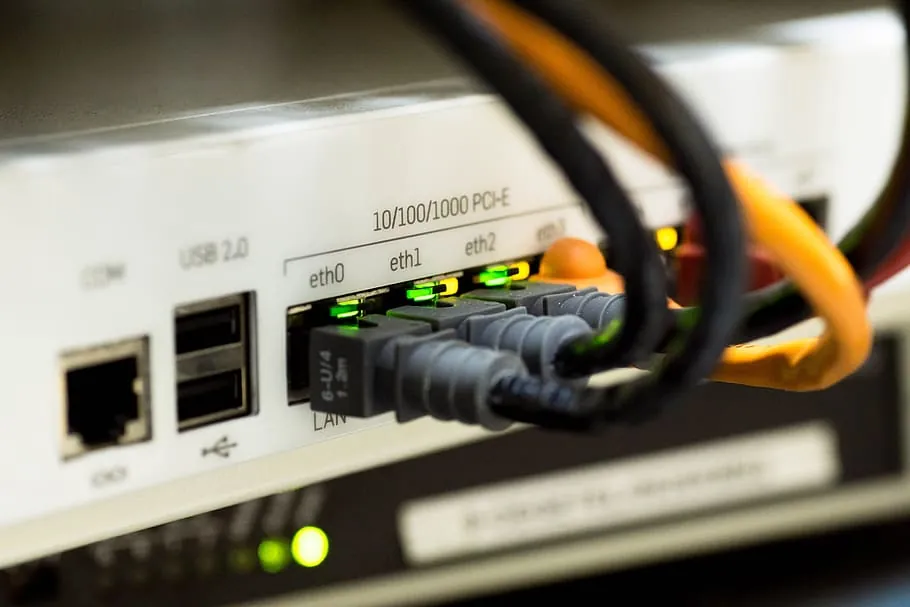
Project photography
Commercial network infrastructure & wireless technology.
High-speed wireless bridges and connectivity supporting commercial facilities.
The operational problem
Many system problems are network problems.
Cameras drop offline, readers lose connection, and intercoms fail intermittently. The cause is frequently an overloaded switch, a failing cable, or a power budget that was never calculated.
Planning the infrastructure alongside the security design avoids these issues and gives IT teams a system they can understand and support.
Common pressures
Undocumented or poorly labeled cabling
Switches without enough PoE capacity or ports
Security devices competing with general traffic
Coverage gaps in wireless and remote locations
Capabilities and services
Infrastructure in scope.
We focus on the infrastructure that supports building and security systems.
Structured cabling
Copper and fiber pathways, terminations, labeling, and testing.
Network switching
Switches sized for device counts, bandwidth, and growth, configured with your IT requirements.
Power over Ethernet
PoE budgeting for cameras, access points, readers, and intercoms.
Wireless connectivity
Wireless coverage and point-to-point links where cabling is impractical.
Equipment rooms and racks
Organized racks, cable management, and documented layouts.
Building system integration
The layer under every other system.
Design decisions here affect every connected device.
Video surveillance
Bandwidth and storage network paths for cameras and recording.
Access control and intercom
Dependable connections and power for controllers, readers, and door stations.
Customer IT environments
Coordination with your IT team on VLANs, addressing, and security policy.
Command and display systems
Network capacity for aggregated video and monitoring environments.
Commercial applications
Where this applies.
Network scope follows the project.
New construction
Pathways and cabling coordinated with general contractors from early phases.
Tenant improvements
Infrastructure added or revised as spaces change.
Security system upgrades
Network upgrades that allow newer cameras and access systems to run reliably.
Schools and healthcare
Dependable connectivity for life-safety-adjacent and security devices.
Government and municipal facilities
Documented infrastructure that supports ongoing IT management.
The FM Tech approach
Design the foundation before the devices.
We plan infrastructure with the systems that will use it.
Assess
Survey pathways, rooms, existing cabling, and switching.
Design
Plan cabling routes, switch capacity, PoE budgets, and wireless coverage.
Integrate
Install, terminate, test, and label, then coordinate with your IT team.
Support
Deliver documentation and remain available for changes and service.
Related solutions
Systems that work alongside this one.
FAQ
Useful answers for your next conversation.
Why does security equipment need its own infrastructure planning?
Cameras, readers, and intercoms need reliable bandwidth and power. Planning this up front prevents outages and costly rework.
What is PoE?
Power over Ethernet delivers power and data over one network cable, which simplifies installation for cameras, access points, and some readers and intercoms.
Can you work with our IT department?
Yes. We coordinate on network segmentation, addressing, and policy so the systems meet your requirements.
Do you provide cabling documentation?
Yes. Labeled cabling and documented layouts help your team support the system after installation.
START A CONVERSATION
Let’s build a security strategy around your facility.
Tell us about your building, your current systems, and what needs to work better.